Creating the Ideal Rabbit Environment
To help make your bunny's transition to your home as smooth and stress-free as possible, we've gathered our favorite tips and essentials to help you create a safe, comfortable, and bunny-approved environment from day one. Many products are something we've personally used and trust, chosen with your rabbit's health, comfort and happiness in mind. If you choose to purchase through our affiliate links, we may earn a small commission at no extra cost to you.
⏰Short on Time?
👉 Skip straight to our Bunny Supply Checklist
Housing
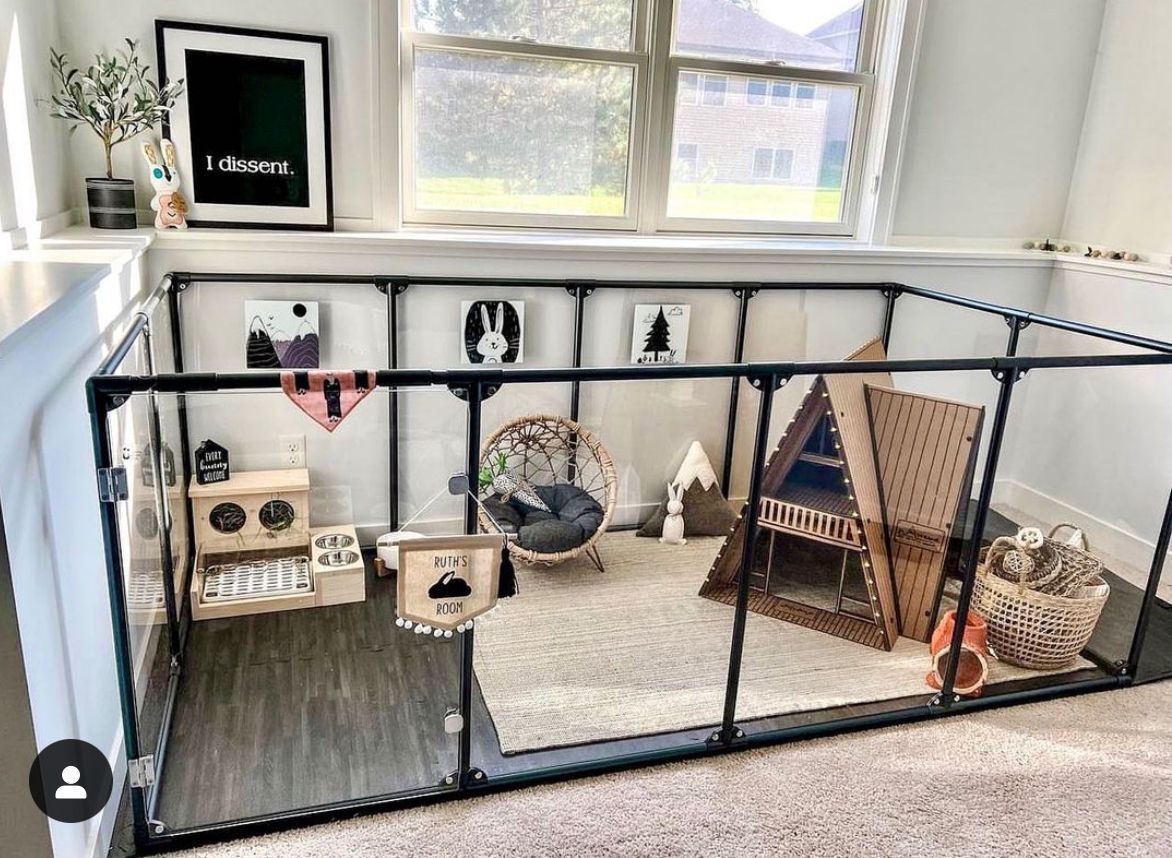
Before your bunny hops through the door, you'll want a safe, comfortable space ready and waiting. For indoor rabbits, we recommend a roomy acrylic panel pen with a door or a metal exercise pen. Some families prefer a traditional cage setup, which can also be a great option. A quality pen paired with a waterproof floor protector, low-pile rug, washable fleece blanket, or foam flooring creates a comfortable living area while protecting your floors.
Add a cozy hideaway house, tunnel, or covered bed where your bunny can retreat when they want a little privacy. Food and water bowls, a hay feeder, and a cute pillow or decorations complete the setup.
If your bunny will spend time outdoors, be sure they have a
predator-proof enclosure with protection from direct sun, rain, wind, and extreme temperatures, along with a sheltered area where they can feel safe and secure.
Litter Training
One of the best surprises for new bunny owners is how easily many rabbits learn to use a litter box. Start with a
stainless steel litter pan (the best in our opinion!) placed in your bunny's enclosure. Fill it with rabbit-safe litter such as
pine pellets,
wheat straw litter or recycled
paper bedding. Avoid clay or clumping cat litters. Place a
hay feeder directly above or beside the litter box, as rabbits naturally like to munch on hay while they go. This simple setup encourages good litter habits and helps make the training process much smoother.
A small litter scoop and handheld broom make daily cleanup quick and easy.
Hay
Pellets alone are not enough to provide a balanced diet—hay is also essential as it provides fiber needed for healthy digestive processes. We feed Timothy hay for all ages of bunnies. Mix some Alfalfa hay in for bunnies under 4 months old as its higher calories and protein support healthy growth. Once they reach 4 months, transition them to Timothy or Orchard hay to help prevent obesity.
Some rabbits may be picky about hay. If yours isn’t eating much, try offering a different cut or variety. You can also sprinkle a few pellets or treats throughout the hay to encourage natural foraging behavior.
Fresh hay is available year-round from sources like Small Pet Select or local farms.
Pellets
In addition to unlimited hay, your bunny will need a high-quality pellet formulated specifically for their age. Pellets provide important essential vitamins and nutrients that hay alone cannot supply. Oxbow Young Rabbit Food is excellent for up to 6 months and any variety of their Adult Rabbit Food is a great option. For an adult Holland Lop, ¼ to ½ cup per day is typically sufficient and is best served in a heavy ceramic bowl that won't easily tip over during enthusiastic mealtimes. We keep hay and pellets available to our bunnies at all times.
There are two main types of rabbit pellets: plain pellets and those mixed with colorful treats. The treats often offer little to no nutritional value, and rabbits often pick them out, leaving the healthy pellets uneaten—which can lead to obesity. We recommend that you do not feed pellets with colorful treats or shapes in them.
At our rabbitry, we use Tucker Milling non-gmo pellets, which contain no gmos, soy or corn but is only available in quantities larger than most bunny owners prefer to store so we recommend switching to Oxbow. Other high-quality options include
Sherwood Rabbit Food. If you switch to a different brand, transition gradually over a few weeks to avoid digestive upset as per the instructions in our
Bunny Care Guide. As your bunny grows, a small
kitchen scale can be a valuable tool for monitoring weight and overall health, helping you ensure your furry friend is thriving every step of the way.
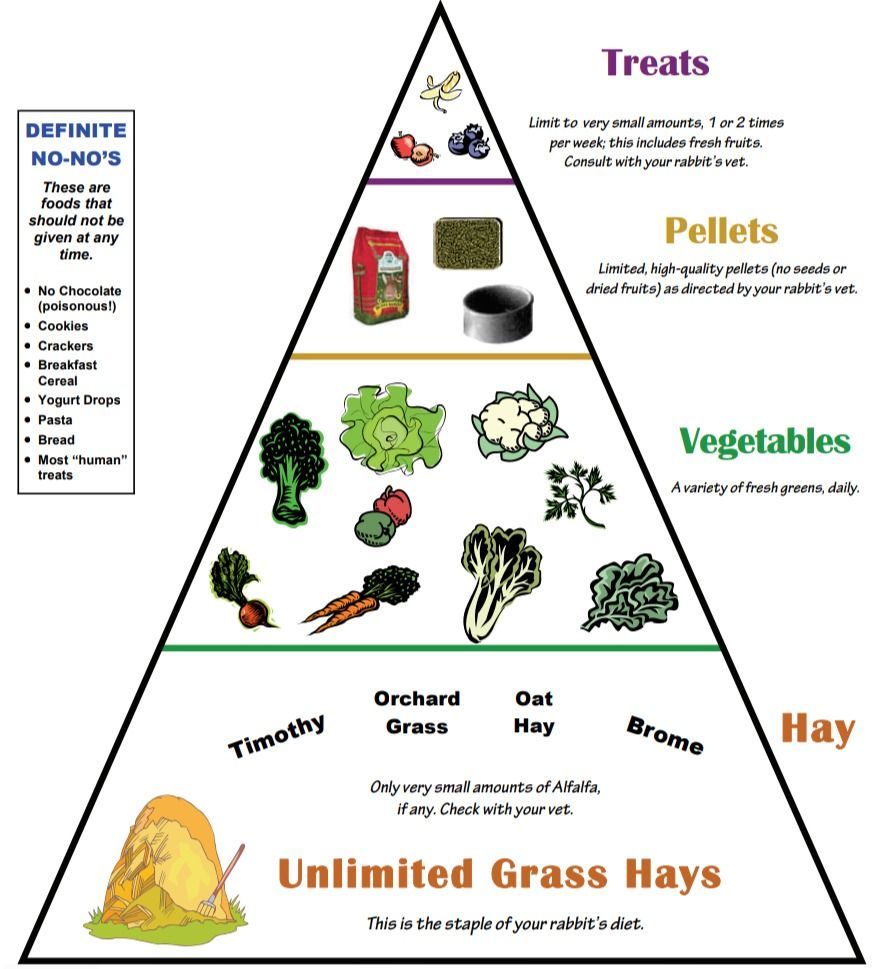
✓ Unlimited hay
✓ 1/4 cup pelleted food
✓ 1 cup leafy greens
✓ Unlimited water
✓ Limited treats
Hydration
Clean water is one of the simplest but most important parts of rabbit care. Some bunnies prefer to use a
water bottle, but many rabbit owners prefer a heavy
ceramic water bowl because it encourages more natural drinking habits. We train our bunnies to use both. Consider purchasing an extra bowl so one can always be clean and ready to use. During travel, a portable or
collapsible bowl set can make transporting your bunny much easier.
Gravity waterers are also a suitable option.
While bowls require more frequent refilling, they provide a more natural drinking experience and carry less risk of malfunction compared to bottles.
Veggies
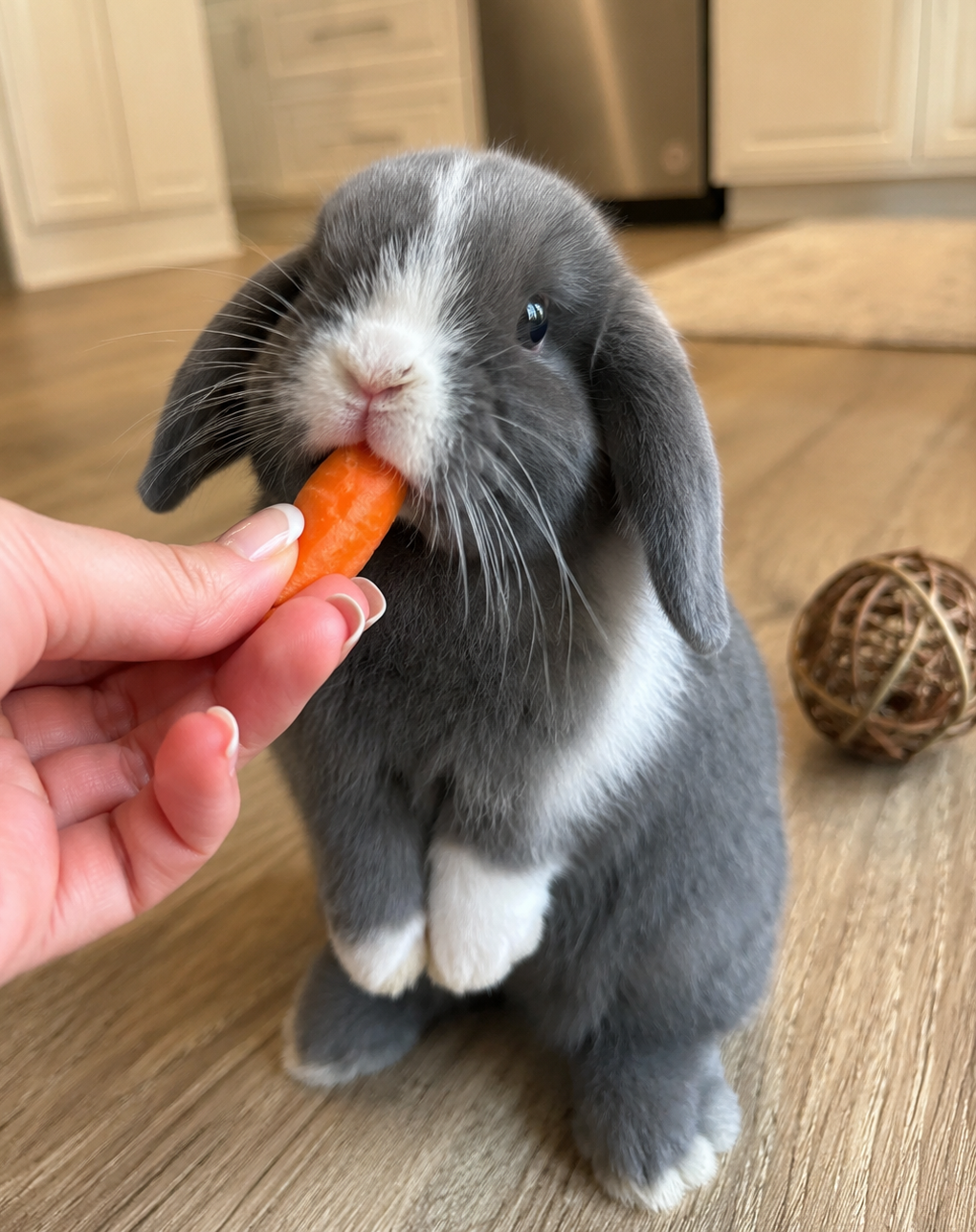
A baby bunny can be greeted with very tiny treat once per day at a maximum. Around 5-6 months of age you can begin feeding fresh vegetables as a regular part of your bunnies diet.
Adult bunnies can eat up to 1 cup of greenery per day as part of a healthy diet. Some safe vegetables your rabbit will find yummy are herbs such as parsley, cilantro, basil, dill or mint; varieties of lettuces (not iceberg), dandelion, clover, cucumber or cabbage leaves, and of course, carrots (with the tops!) strawberries, carrots, or a slice of banana. All these treats an be used in forage mats and in conjunction with other toys that your bunny will enjoy.
Treats
Treat time quickly becomes a favorite part of the day for both rabbits and their families. Healthy options include freeze-dried fruits, dried herbs, flower blends, and hay-based treats made specifically for rabbits. They also enjoy fresh treats such as a pinch of organic oats, slice of apple or banana or a strawberry.
Treat jars or airtight containers help keep goodies fresh and organized. Remember that treats should remain an occasional reward and not replace the healthy diet of hay and pellets that keeps your bunny thriving. Treats that can be harmful to bunnies include, seeds, iceberg lettuce, onions, garlic, corn, potatoes, avocado or rhubarb.
Vitamins & Minerals
Hollands can benefit from a little extra nutritional support from time to time. For our bunnies, we keep a quality probiotic powder on hand to support digestive health especially during stressful events such as moving to a new home, travel, or dietary transitions. Oasis Vita drops, one of our favorite vitamin supplements, can be added to their water to help provide additional nutritional support, while a rabbit-safe salt lick should remain available at all times to give your bunny access to essential trace minerals. These simple wellness additions can be a valuable part of maintaining a happy, healthy bunny.
Apple Cider Vinegar is a hidden gem for bunnies that offers many health benefits when used properly. It contains a blend of vitamins, minerals, and probiotics that support overall wellness. We add a small dropperful (1/8 tsp) to our bunnies water supply every couple of weeks. Our rabbits accept the taste easily, and the benefits are numerous:
- Immune Support: Helps strengthen the immune system.
- Urinary Health: Aids in preventing urinary tract infections and bladder sludge.
- Balanced pH: Regulates internal pH levels.
- Skin & Eye Health: Can assist with clearing mild skin or eye issues.
- Fur Quality: Promotes softer, shinier, and healthier coats.
- Natural Pest Deterrent: Its scent helps repel fleas and mites.
Beyond health benefits, ACV is also a fantastic natural cleaner. It prevents slime build-up in water bowls or bottles and helps to remove urine stains safely.
Adding Apple Cider Vinegar to your rabbit’s routine is a simple, natural way to support their health and keep their environment fresh.
Toys
Bunnies enjoy daily enrichment and safe toys to occupy them. You can rotate them weekly to prevent boredom and it's so fun to watch them do binkies and zoomies because of their excitement!
Some of our bunnies favoraite toy options include:
- willow chew balls, apple wood sticks, grass and forage mats
- seagrass toys, stacking cups, treat puzzles
- cardboard climbers, digging boxes and untreated wooden chew toys
- DIY toys like hay-stuffed toilet paper rolls or cardboard box mazes
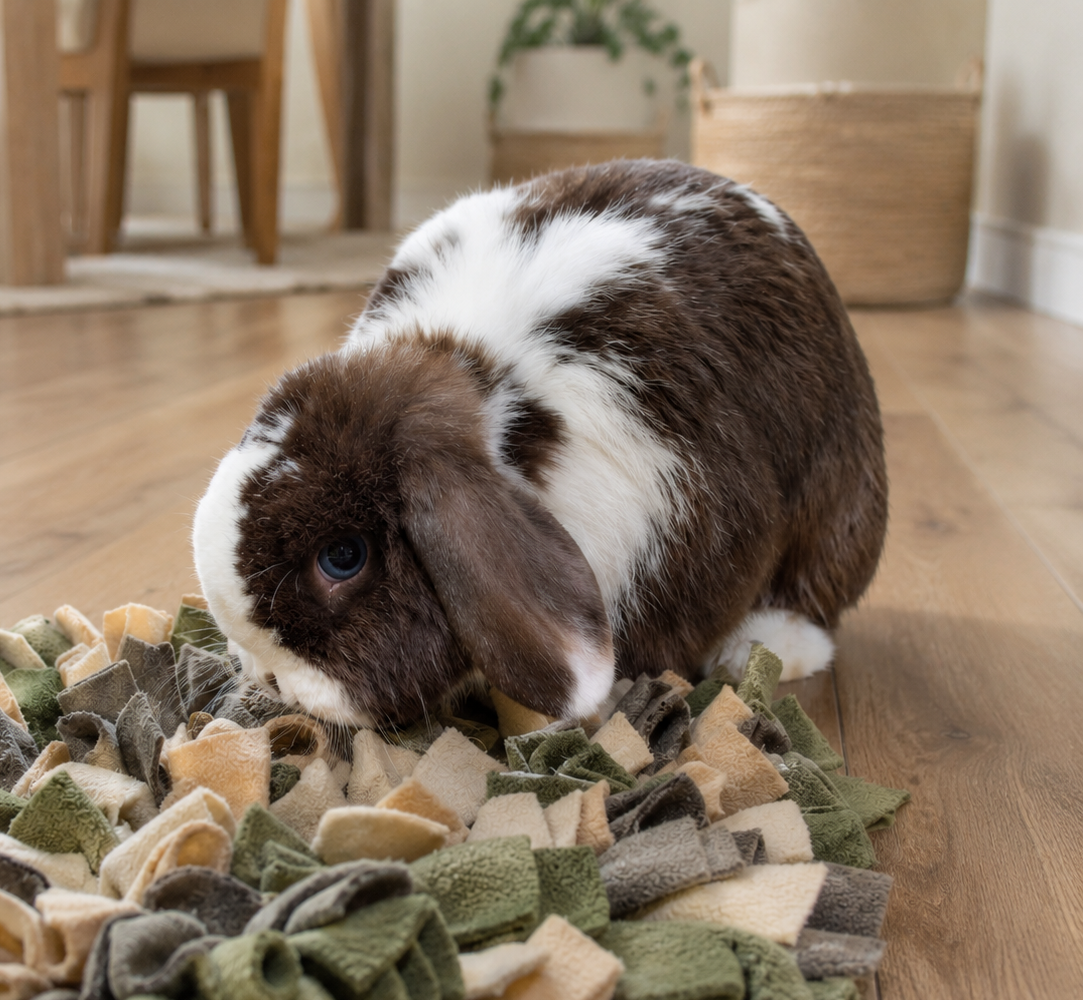
Chew toys are especially important since rabbit teeth never stop growing. Foraging toys such as a
snuffle mat or
treat balls can also make mealtimes stimulating and fun!A
Grooming
While Hollands are very low-maintenance, they still benefit from regular grooming to stay healthy. Trim their nails every 2–4 weeks and brush them weekly—or more frequently during molts—to prevent fur ingestion and intestinal blockages.
Every bunny owner will want to have:
- A soft slicker brush
- Nail clippers
- Flea comb
- Styptic powder in case a nail is accidentally trimmed too short
- In some cases you can find everything neatly tucked into one grooming kit
A grooming mat or non-slip surface can make grooming sessions more comfortable for both you and your bunny. You can trim nails at home with pet clippers, taking care to avoid the quick. If you’re unsure, start with just the tips or have a rabbit-savvy vet do it for a small fee. Always reward your bunny with gentle praise or a small treat to make grooming positive.
Rabbits clean themselves and should never be bathed, as submersion in water can cause shock, pneumonia, or even heart failure. For dirty bottoms, a quick “spot bath” of just the rear may be necessary, followed by gentle drying. Pee stains can often be cleaned with cornstarch powder instead of water.
Travel & Play Dates
Whether you're heading to the veterinarian, visiting family, or enjoying a bunny play date, having the right travel essentials makes every outing safer and more comfortable. A sturdy hard-sided carrier is one of the most important items every bunny owner should own, providing a secure, den-like space that helps rabbits feel protected while traveling. Consider keeping a soft blanket, travel hay feeder, collapsible water bowl, and a small tote stocked with hay, pellets, and treats ready to grab whenever you're on the go.
For outdoor adventures, many owners enjoy using an
exercise pen to create a safe space for supervised play, while others choose a properly fitted
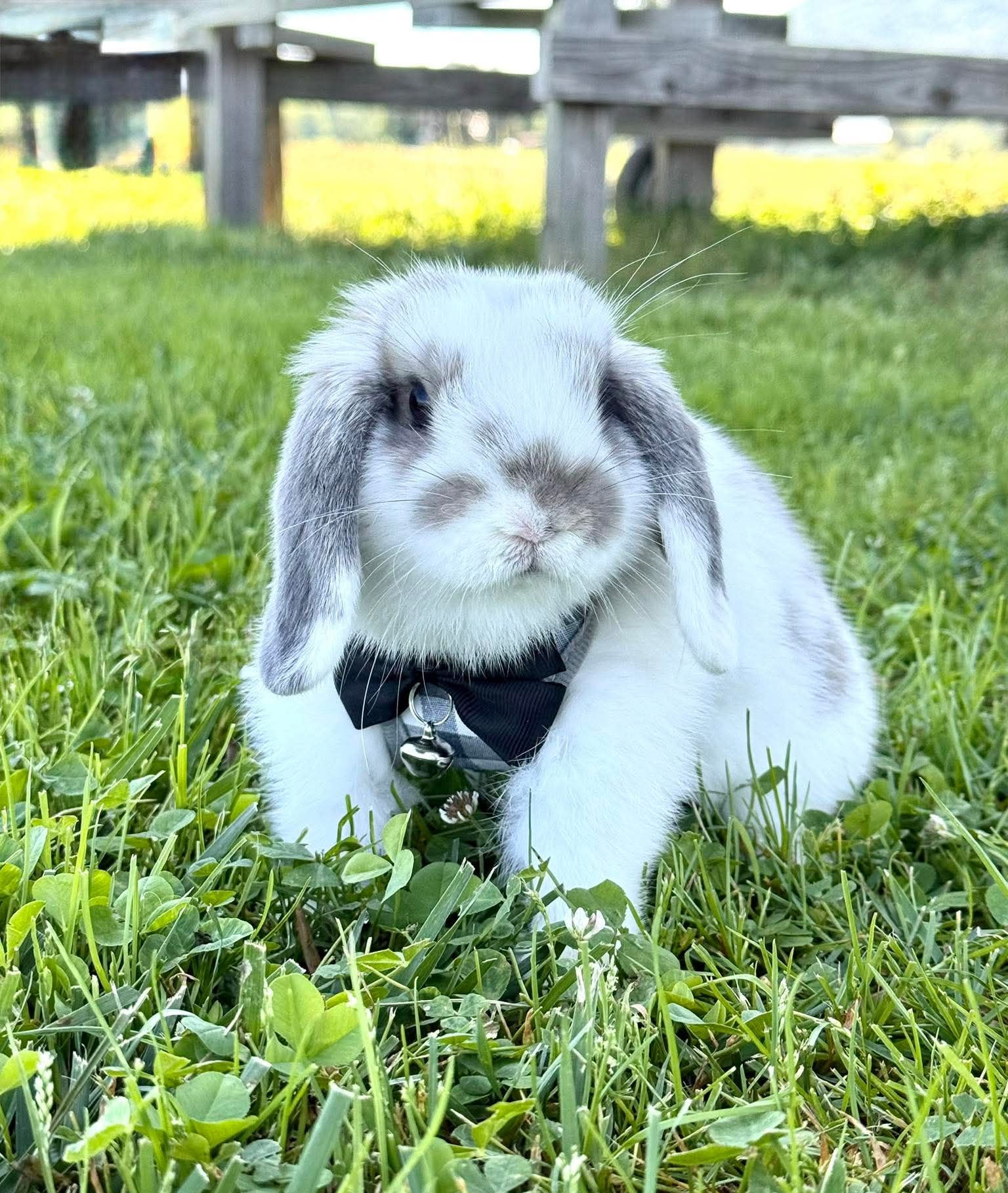
rabbit harness and
light weight leash for rabbits that have been carefully introduced to them. A
Pet Stroller or
Bubble Window Pet Backpack can also be a wonderful option for bunnies who enjoy fresh air without the stress of direct contact with unfamiliar environments. With a little preparation, you'll be ready for everything from routine vet visits to fun outings, making every adventure safe, comfortable, and enjoyable for both you and your bunny.
Just in Case: Bunny Emergency Essentials
While we hope your bunny never experiences a medical emergency, having a few key supplies on hand can provide valuable peace of mind and allow you to respond quickly if a problem arises. Every bunny home should be stocked with:
Many owners choose to keep a small first aid kit, extra probiotics, electrolyte support, and the contact information for both their regular veterinarian and a rabbit-savvy emergency clinic in an easily accessible location. Hopefully these items will spend their lives tucked away in a cabinet, but being prepared can make all the difference when your bunny needs a little extra care.